
Hear Me Out
The Civic Room
A room where you can make your whole argument and be heard to the end of it, and where you are asked to do the same for the person who disagrees with you. Disagreement is welcome; dominance is not.
- Listen before you respond
- Make room for other voices
- Disagree with the idea, not the person
- This is not a debate
A question argued in person, then written up

A short framing
About fifteen minutes of context, so that nobody needs to arrive as an expert and everyone starts from the same ground.
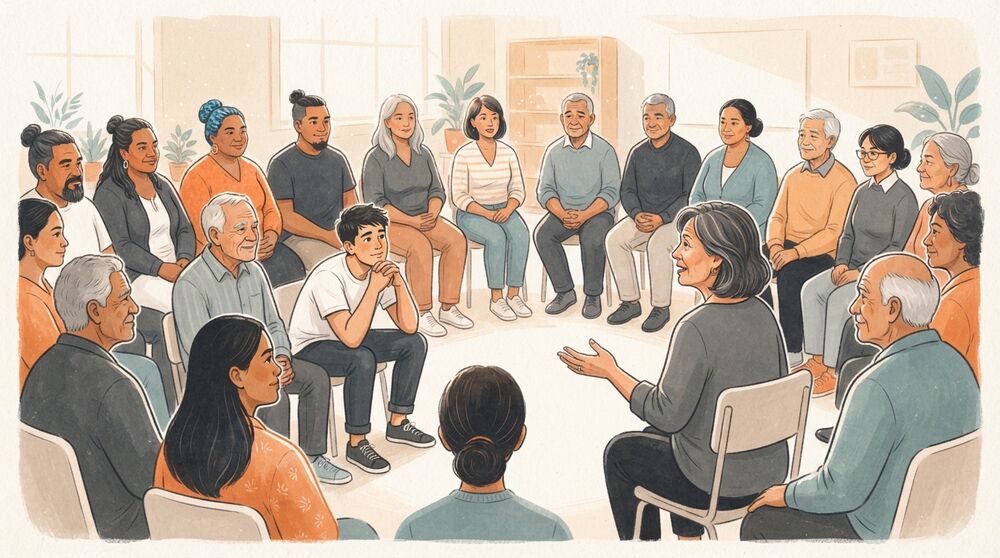
Argument in the room
Chairs in a horseshoe and no lectern. You can speak, or post on a live board from your phone, and both count.
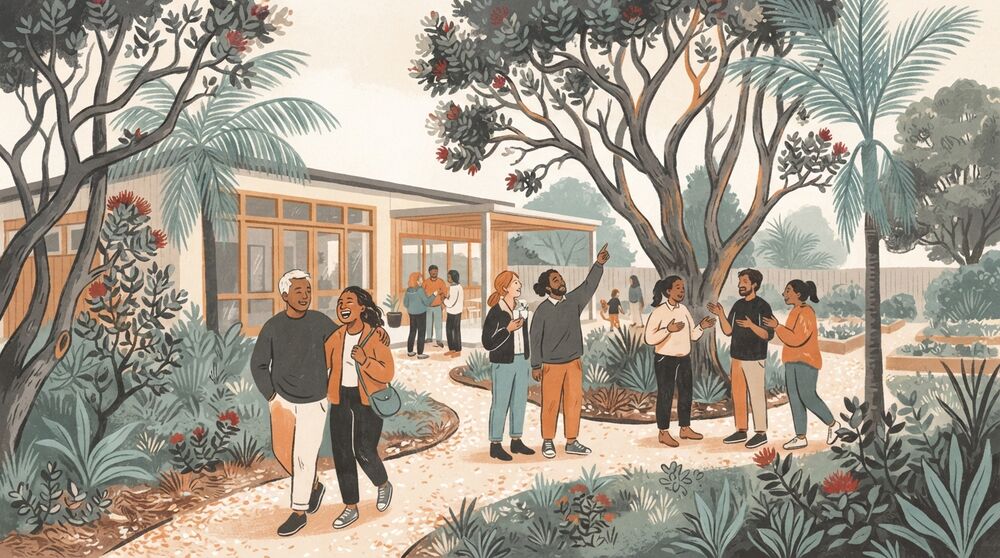
A walking discussion
Small groups take the question outside on foot, a habit inherited from Walk & Talk, and then report back to the whole room.

A policy brief
A written record of what was argued, with nobody named, sent to everyone who came and then to decision-makers.


The next session will be announced on Meetup
Dates, venues, and questions are listed first on the Walk & Talk Auckland Meetup group, which is also where you reserve a seat. Join the group to hear about the next session as soon as it is listed.
Policy Brief No. 1: The Machine That (Dis)Agrees With You
From the session of 15 November 2026 on AI that tells people what they want to hear, and on our own preference for being agreed with. The draft has now been circulated to the people who took part, for their comments. Once it has been revised in the light of those comments, it will be sent to decision-makers and published here.
Draft with participants for comment
The sessions so far


Photographs show only people who agreed to appear in them.
You may repeat and quote what you hear. You may not say who said it.
Every session runs under the Chatham House Rule. It is what allows people to argue candidly about contested questions, and it is why the briefs record arguments rather than names.